Web development refers to the process of creating websites or web applications for the internet. It involves various tasks such as web design, web content development, client-side scripting, server-side scripting.
Let's Discuss Your IdeaCreating unique and visually appealing logos that represent a company or brand identity.

Developing a consistent visual identity for a brand, including logos, color palettes, typography, and brand guidelines.
Designing animated graphics, videos, and visual effects for multimedia presentations, websites, and advertisements.

Designing graphics and visuals for social media platforms, including posts, covers, banners, and profile images.
Creating custom illustrations, icons, and infographics to convey information or enhance visual appeal.
Creating attractive and functional packaging designs for products, considering aesthetics, branding, and practicality.

Define Objectives: Start by identifying the goals and objectives you want to achieve through graphics design. These could include enhancing brand recognition, increasing user engagement, conveying a specific message, or driving conversions. Clear objectives will guide your design decisions.
Understand Target Audience: Gain a deep understanding of your target audience, including their demographics, preferences, and behaviors. This knowledge will help you create designs that resonate with and appeal to your intended audience.
Branding Guidelines: Establish branding guidelines that define the visual identity of your brand. This includes elements like logo usage, color palette, typography, and tone of voice. Consistency across all design materials helps to build brand recognition and strengthen brand image.
Research and Inspiration: Conduct thorough research on industry trends, competitor designs, and successful graphics design campaigns. This will give you insights into what works well and help you create designs that stand out from the crowd.
Design Cohesion: Ensure that your graphics designs maintain a consistent look and feel across different platforms and materials. This creates a cohesive brand image and strengthens brand recognition.
User Experience: Consider the user experience when designing graphics for digital platforms. Ensure that the designs are user-friendly, visually appealing, and intuitive, facilitating easy navigation and interaction.
Adaptability: Design graphics that can be easily adapted to different mediums and formats, such as print, web, social media, and mobile devices. This flexibility ensures that your designs can be used across various channels.
Testing and Iteration: Implement a feedback loop and continuously evaluate the effectiveness of your graphics design strategy. Test different designs, gather feedback from users, and make iterative improvements based on data and user insights.
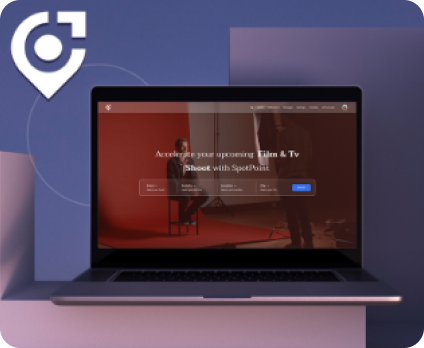
SpotPoint is a web platform, designed to help people find and rent Filming locations and unique venues for film. With its user-friendly interface and advanced search capabilities, the platform allows users to view listings in three unique ways: map view, and list view.
We believe our real wealth is client satisfaction and their honest feedback.
You can see yourself how and why our clients consider us as the best web development agency in India.
We refers to the systematic approach and set of principles used in the process of designing and developing websites. It involves various stages, techniques, and considerations to ensure effective and user-friendly website design.
Creating low-fidelity visual representations (wireframes) of the website's layout, structure, and content placement. Focusing on usability, navigation, and user experience.
Developing the visual elements of the website, including color schemes, typography, imagery, and branding. Creating high-fidelity mockups or design compositions.
Building interactive prototypes to simulate user interactions and demonstrate the website's functionality, website flow, website user interface and user experience.
Translating the design into a functional website using coding languages like HTML, CSS, JavaScript and animation. Implementing responsive design techniques for cross-device compatibility.
Conducting usability tests, checking for bugs and errors, and ensuring the website functions properly across different browsers and devices.
Uploading the website to a hosting server and making it live on the internet. Conducting final checks to ensure everything is working correctly.