Certainly! When it comes to UI (User Interface) design, there are several key features and elements that contribute to creating an intuitive, visually appealing, and user-friendly interface
Let's Discuss Your IdeaConduct user research to understand the target audience, their goals, needs, and behaviors. Gather insights through surveys, interviews, user testing, and analytics data.
Structure the app or website content and features to ensure intuitive navigation and information hierarchy. Create wireframes, which are low-fidelity visual representations of the interface, to outline the layout, content placement, and basic interactions.
Develop the visual style, including the color palette, typography, iconography, and graphic elements. Design the user interface (UI) elements, such as buttons, menus, forms, and navigation bars.
Build interactive prototypes to simulate user interactions and test the flow and usability of the interface. Use prototyping tools to create clickable prototypes with realistic user interactions.

Design the interface to be responsive and adaptive to different screen sizes and orientations. Ensure that the interface elements and content are accessible and readable on various devices.
Embrace an iterative design process, allowing for multiple rounds of feedback, testing, and refinement. Continuously gather user feedback and analytics data to make data-driven design decisions.

Accelerate the growth of your business by leveraging the power of UI/UX.
User Engagement: A well-designed UI captivates users and keeps them engaged with the product. A visually appealing interface with intuitive interactions and smooth navigation encourages users to explore the product further and spend more time interacting with it.
Usability and Ease of Use: A good UI focuses on simplicity and ease of use, allowing users to accomplish their tasks efficiently and without confusion. Clear and intuitive interfaces reduce the learning curve, enabling users to understand and interact with the product effortlessly.
User Satisfaction: A well-thought-out UI enhances the overall user experience, leading to higher user satisfaction. When users find an interface visually appealing, easy to navigate, and functional, they are more likely to have a positive perception of the product and become loyal users or customers.
Brand Image and Differentiation: UI design is instrumental in conveying the brand's personality and creating a unique identity. A visually consistent and on-brand interface establishes a strong brand presence, helping differentiate the product from competitors and leaving a lasting impression on users.
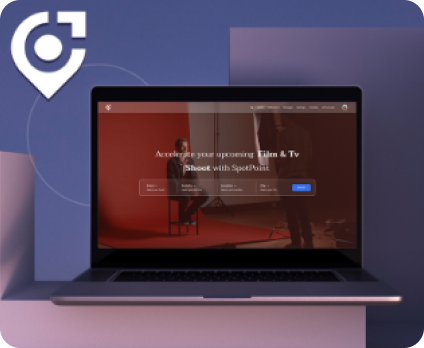
SpotPoint is a web platform, designed to help people find and rent Filming locations and unique venues for film. With its user-friendly interface and advanced search capabilities, the platform allows users to view listings in three unique ways: map view, and list view.
We believe our real wealth is client satisfaction and their honest feedback.
You can see yourself how and why our clients consider us as the best web development agency in India.
We refers to the systematic approach and set of principles used in the process of UI/UX designing. It involves various stages, techniques, and considerations to ensure effective and user-friendly UI/UX design.
UCD focuses on understanding users' needs, preferences, and behaviors through research and user feedback.
Design Thinking is a human-centered approach that encourages empathy, problem-solving, and iterative design.
Agile UX integrates UX design principles and practices into Agile software development processes.
Lean UX focuses on quickly gathering user feedback and making data-driven decisions.
Design patterns provide guidelines and best practices for creating intuitive and familiar interfaces.
Prototype-driven design involves creating interactive prototypes early in the design process.
Iterative design involves continuously refining the design based on user feedback and testing results.
UI style guides provide a set of guidelines, standards, and visual elements that ensure consistency across the interface.