Logo design is an essential aspect of branding and visual identity for businesses and organizations.
Let's Discuss Your IdeaA well-designed logo helps in creating brand recognition and differentiation. It serves as a visual representation of the company or organization and is often the first thing that people notice and remember. A unique and memorable logo can make a lasting impression and help consumers easily identify and recall a brand.
A professionally designed logo conveys a sense of professionalism, credibility, and trustworthiness. It gives the impression that the business is established, reliable, and takes its image seriously. A poorly designed or amateurish logo may create the opposite effect, potentially damaging the brand's reputation.
A logo plays a crucial role in representing the brand's identity, values, and story. It can visually communicate the essence, personality, and purpose of the brand, helping to establish an emotional connection with the target audience. The design elements, colors, and typography used in a logo can evoke specific feelings and associations, contributing to the overall brand narrative.
In a crowded marketplace, a unique and distinctive logo can help a brand stand out from competitors. It allows consumers to differentiate between different brands and make informed choices. A well-designed logo can communicate the brand's unique selling propositions and competitive advantages, helping to attract and retain customers.
A good logo design is versatile and adaptable across various marketing materials and platforms. It should be scalable, ensuring that it looks equally appealing and legible across different sizes and formats. A flexible logo design allows for easy integration into different mediums, including print materials, digital platforms, merchandise, signage, and more.
Use social media posts to educate your audience about topics related to your industry or niche. Share tips, how-to guides, tutorials, or informative articles that add value to your followers' lives. Position yourself as an expert and a trusted source of information.
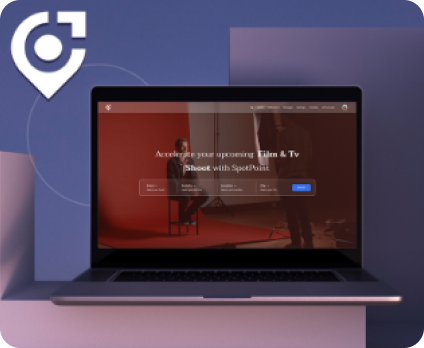
SpotPoint is a web platform, designed to help people find and rent Filming locations and unique venues for film. With its user-friendly interface and advanced search capabilities, the platform allows users to view listings in three unique ways: map view, and list view.


We believe our real wealth is client satisfaction and their honest feedback.
You can see yourself how and why our clients consider us as the best web development agency in India.
Begin by conducting thorough research to understand the client's business, industry, target audience, competition, and brand positioning. Gather information about the client's values, mission, and unique selling points. This research provides a foundation for the design process.
Clearly establish the goals and objectives for the logo design project. Identify the desired message and emotions the logo should convey, as well as the specific purposes and applications for the logo.
Brainstorm and explore multiple creative concepts for the logo based on the research and goals. Generate a range of ideas, sketches, and rough drafts. Consider different design elements, such as typography, symbols, icons, or abstract shapes that align with the brand identity.
Begin sketching and creating rough drafts of the selected logo concepts. Use pencil and paper or digital sketching tools to explore various visual directions. This stage focuses on capturing initial ideas and exploring different design possibilities.
Translate the selected sketches into digital formats using design software. Refine and develop the chosen concepts, experimenting with typography, color, layout, and other visual elements. Create vector-based versions of the logo to ensure scalability and versatility.
Share the initial logo designs with the client and gather feedback. Discuss the strengths and weaknesses of each design concept and identify areas for improvement. Iterate on the designs based on the client's feedback, aiming for a refined and impactful logo.
Take the preferred logo concept and refine it further. Pay attention to details, proportion, spacing, and legibility. Explore various color palettes and variations of the logo, considering different backgrounds and applications. Fine-tune the typography and any accompanying elements.
Prepare a professional presentation showcasing the final logo design options. Present the design rationale, explaining how the logo aligns with the client's goals and target audience. Seek final approval from the client before proceeding to the next steps.