WordPress is a popular open-source content management system (CMS) that powers millions of websites worldwide. It provides a user-friendly interface and a vast ecosystem of themes, plugins, and community support.
Let's Discuss Your IdeaWordPress installation and configuration involve setting up the WordPress CMS on a web server and configuring its basic settings.
WordPress CMS development refers to the process of creating or customizing a website or web application using the WordPress content management system. It involves utilizing WordPress's features, themes, and plugins to build a fully functional and dynamic website tailored to specific requirements.
WordPress migration refers to the process of moving a WordPress website from one hosting environment to another or from one domain to another. It involves transferring all website files, databases, configurations, and settings to ensure a smooth transition without losing any data or functionality.
WordPress plugin integration refers to the process of adding and configuring plugins to extend the functionality of a WordPress website. Plugins are pre-built pieces of software that provide specific features or functionality to enhance the capabilities of a WordPress site.
WordPress responsive web development refers to the process of creating a website using the WordPress CMS that is optimized for viewing and interacting across various devices and screen sizes. Responsive web design ensures that the website layout, content, and functionality adapt seamlessly to different devices, such as desktops, laptops, tablets, and smartphones
Regularly update WordPress core, themes, and plugins to the latest versions. Updates often include bug fixes, security patches, and new features. Before updating, make sure to backup your website to avoid any potential issues.
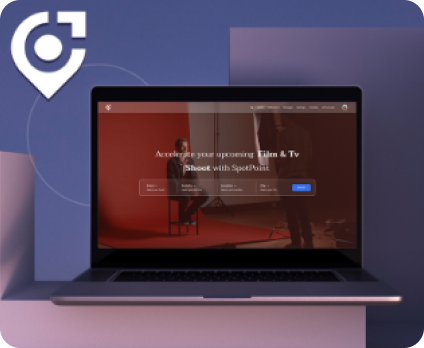
SpotPoint is a web platform, designed to help people find and rent Filming locations and unique venues for film. With its user-friendly interface and advanced search capabilities, the platform allows users to view listings in three unique ways: map view, and list view.

We believe our real wealth is client satisfaction and their honest feedback.
You can see yourself how and why our clients consider us as the best web development agency in India.
Understand the project requirements, goals, and target audience. Define the scope of the project, including features, functionalities, and design preferences. Determine the timeline, budget, and resources required for the development.
Create a visual design concept for the website using wireframing or prototyping tools. Define the layout, navigation structure, and user interface elements. Collaborate with stakeholders to finalize the design before proceeding to development.
Choose a pre-built theme from the WordPress theme directory or develop a custom theme based on the design requirements. Customize the theme to align with the desired look and feel of the website. Ensure the chosen theme is responsive and optimized for performance.
Identify and select plugins that provide the required functionalities for the website. Choose reputable plugins from the WordPress plugin directory or premium plugin providers. Install and configure the plugins, ensuring they are compatible with the chosen theme and do not conflict with each other.
Develop the website by building and integrating custom features, templates, and functionality using WordPress development best practices. Write clean and efficient code, following WordPress coding standards. Customize the theme and plugins to match the desired design and requirements. Test the website for functionality and compatibility during the development process.
Create and organize content for the website, including pages, blog posts, images, and other media. If migrating from an existing site, import and format the content to fit the new WordPress website structure. Ensure proper URL redirects are in place if necessary.
Conduct thorough testing of the website to ensure functionality, performance, and compatibility across different devices and browsers. Test all features, forms, navigation, and responsiveness. Identify and fix any bugs or issues that arise during testing. Conduct usability testing to validate the user experience.
Set up hosting and domain configurations to make the website accessible to the public. Migrate the developed website to the production environment. Perform final checks to ensure all functionalities are working correctly. Set up SEO settings, analytics tracking, and security measures. Launch the website, making it available to users.