HTML (Hypertext Markup Language) development refers to the process of creating web pages using HTML markup. HTML is the standard markup language for structuring the content of web pages, defining the elements, layout, and formatting.
Let's Discuss Your IdeaHTML5 responsive web design refers to the practice of building websites that can adapt and provide an optimal viewing experience across different devices and screen sizes. It involves using HTML5, CSS, and JavaScript to create flexible and fluid layouts that adjust and respond to the user's device, whether it's a desktop computer, tablet, or smartphone.
PSD to HTML5 conversion refers to the process of transforming a design created in Adobe Photoshop (PSD file) into a fully functional and interactive HTML5 website. This conversion allows the design to be translated into HTML markup, CSS styles, and JavaScript
Custom HTML5 development refers to the process of creating a unique and tailor-made website or web application using HTML5 as the markup language. It involves writing custom HTML5 code, along with CSS and JavaScript, to develop the desired functionality and design.
Our HTML experts work with w3c standards and verify W3C validation when action HTML5 design services to the clients.
Assess the current website's strengths and weaknesses, considering factors such as design, content, navigation, user experience, and technical performance. Identify specific goals for the redesign, such as improving visual appeal, enhancing usability, increasing conversion rates, or optimizing for mobile devices.
HTML5 app development refers to the process of creating web applications using HTML5, CSS, and JavaScript. Unlike traditional native applications that are built for specific platforms (such as iOS or Android), HTML5 apps are designed to run on any device with a compatible web browser, making them cross-platform and accessible from various devices.
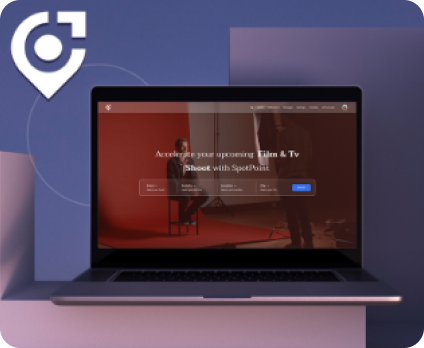
SpotPoint is a web platform, designed to help people find and rent Filming locations and unique venues for film. With its user-friendly interface and advanced search capabilities, the platform allows users to view listings in three unique ways: map view, and list view.


We believe our real wealth is client satisfaction and their honest feedback.
You can see yourself how and why our clients consider us as the best web development agency in India.
The traditional waterfall methodology follows a linear and sequential process. It involves gathering requirements, designing the HTML structure, implementing the code, and testing it before moving on to the next phase. This approach is suitable for small and straightforward HTML projects with well-defined requirements.
Agile methodologies, such as Scrum or Kanban, promote iterative and incremental development. HTML development can be integrated into an agile workflow by breaking the project into user stories or tasks and working on them in sprints. It allows for flexibility, collaboration, and continuous improvement throughout the development process.
HTML development can be approached from a component-based perspective, where reusable HTML components are created and combined to build the overall structure of the website or application. This modular approach improves code reusability, scalability, and maintainability.
With the increasing usage of mobile devices, adopting a mobile-first development approach can be beneficial. It involves designing and developing the HTML structure and CSS styles to prioritize the mobile experience first and then adapting it for larger screens. This approach ensures a responsive and user-friendly experience across devices.
Test-driven development emphasizes writing tests before writing the actual code. In the case of HTML development, this can involve writing automated tests to ensure the HTML structure and functionality meet the specified requirements. TDD helps catch errors early and promotes code quality.
CI/CD practices focus on automating the build, testing, and deployment processes. HTML development can benefit from CI/CD pipelines that automate tasks such as code linting, unit testing, browser compatibility testing, and deployment to production or staging environments.